Count me in!
Stay up to date with the latest news, announcements, and articles.
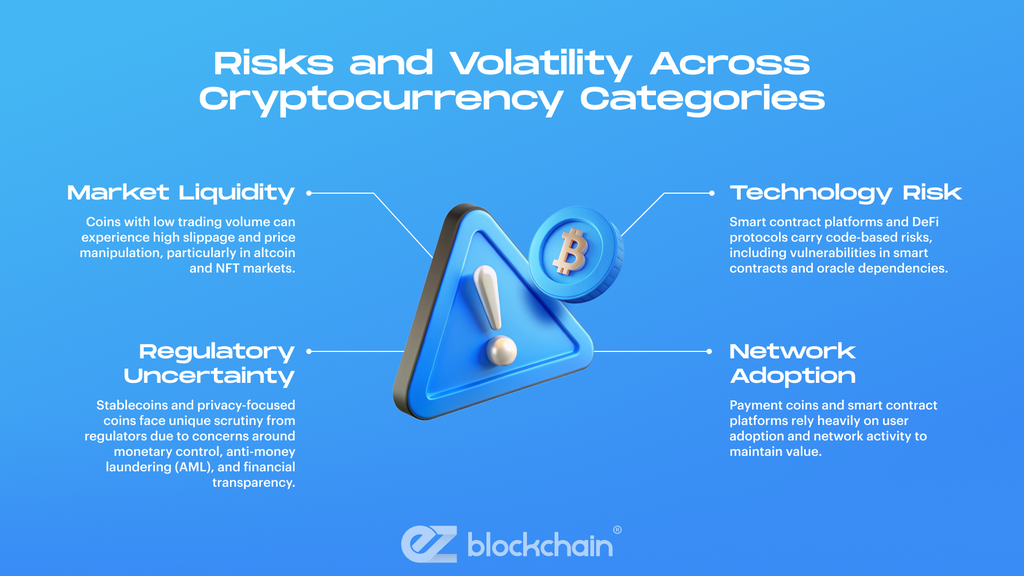
Cryptocurrencies are inherently volatile due to factors such as market sentiment, regulatory developments, technological changes, and macroeconomic conditions. However, volatility is not uniform across all crypto categories. Some assets, like payment coins, tend to follow broader market trends, whereas DeFi tokens and NFT-related tokens often experience extreme short-term price swings based on network activity and hype cycles.
The primary risk factors include:
Investors must evaluate each category’s volatility and underlying risk profile before allocating capital. Diversification across categories can mitigate exposure to extreme price fluctuations while providing opportunities for growth in high-risk, high-reward assets.
Cryptocurrencies can be broadly classified into several categories, each with distinct use cases, technological underpinnings, and market behavior.
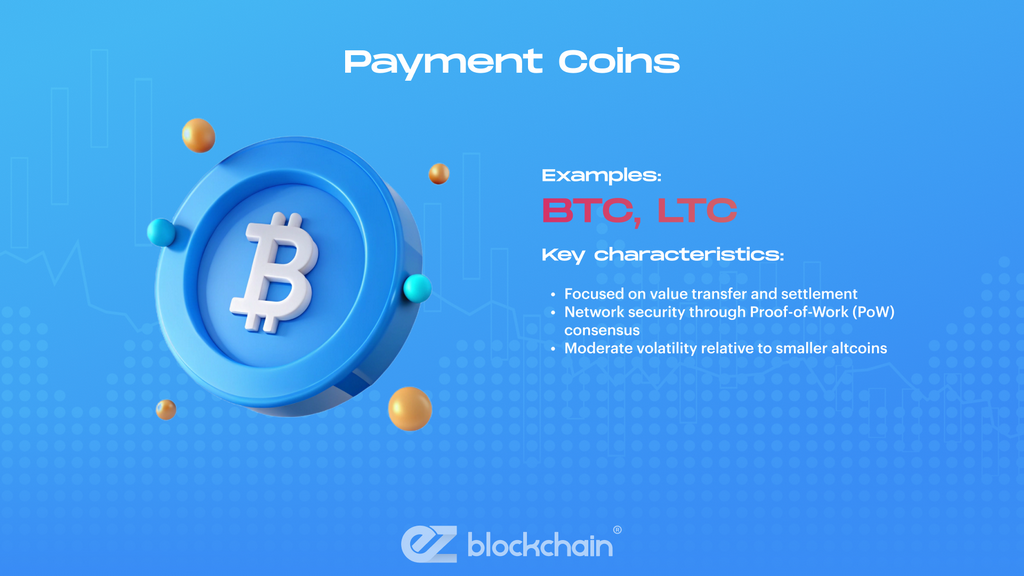
Examples: Bitcoin (BTC), Litecoin (LTC)
Payment coins are designed primarily as digital currencies for peer-to-peer value transfer. Bitcoin remains the most widely recognized and adopted cryptocurrency, often referred to as “digital gold” due to its fixed supply of 21 million coins and store-of-value characteristics. Litecoin, created as a faster and more lightweight alternative to Bitcoin, offers lower transaction fees and shorter block confirmation times.
Key characteristics:
Payment coins are generally considered foundational assets for crypto portfolios, offering liquidity and widespread exchange support. However, their scalability and transaction throughput limitations remain a challenge, prompting development of layer-2 solutions like the Lightning Network for Bitcoin.
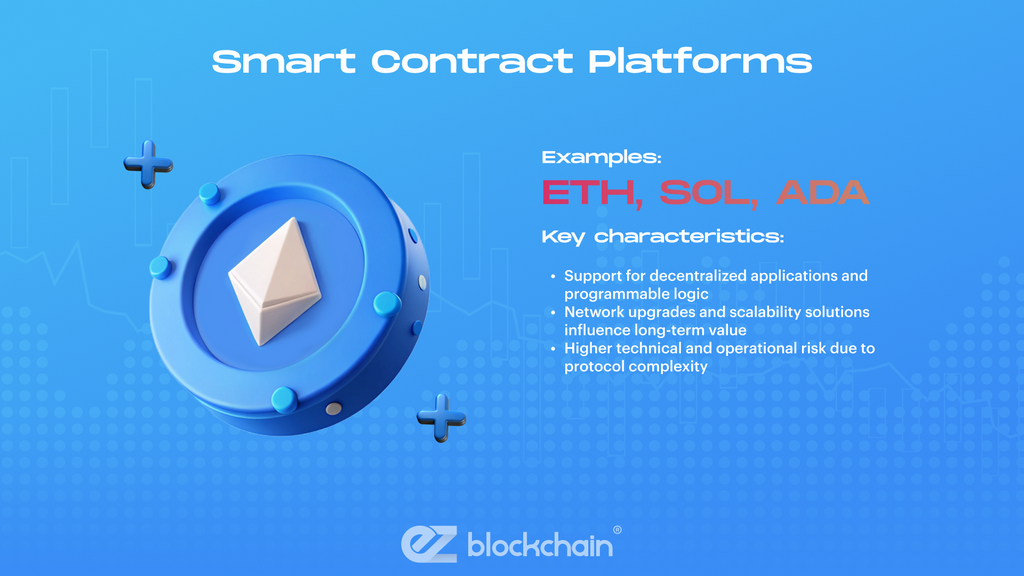
Examples: Ethereum (ETH), Solana (SOL), Cardano (ADA)
Smart contract platforms enable programmable digital agreements that execute automatically when predetermined conditions are met. Ethereum pioneered this functionality and has catalyzed the growth of decentralized finance (DeFi), non-fungible tokens (NFTs), and decentralized applications (dApps). Solana and Cardano compete with Ethereum by offering higher throughput, lower transaction fees, and alternative consensus mechanisms such as Proof-of-Stake (PoS) or Proof-of-History (PoH).
Key characteristics:
Investors should consider smart contract platforms for growth potential but remain aware of technical and adoption-related risks. Market sentiment around network upgrades, such as Ethereum’s transition to ETH 2.0, can significantly impact token valuations.
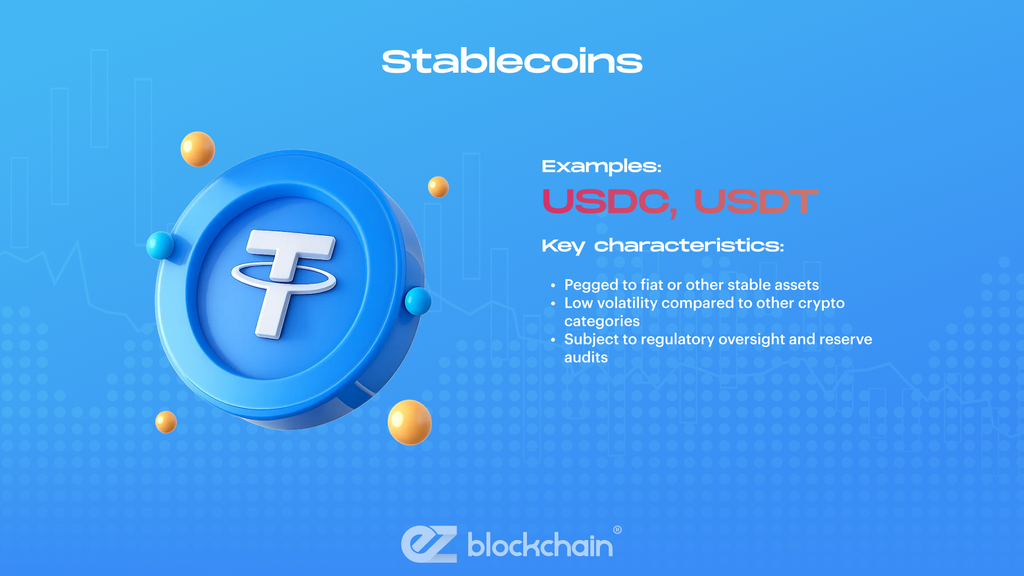
Examples: USD Coin (USDC), Tether (USDT)
Stablecoins are cryptocurrencies pegged to a fiat currency or other asset, designed to maintain a stable value. USDC and USDT are backed by reserves of U.S. dollars and operate primarily on Ethereum and other blockchain networks. Stablecoins serve as critical infrastructure for crypto trading, lending, and DeFi protocols by providing a reliable medium of exchange and store of value in volatile markets.
Key characteristics:
While stablecoins reduce market volatility, investors should monitor issuer transparency, reserve adequacy, and regulatory developments. Central Bank Digital Currencies (CBDCs) may further influence stablecoin adoption and regulatory treatment in the coming years.
Examples: Monero (XMR), Zcash (ZEC)
Privacy coins prioritize transaction anonymity by obscuring sender, recipient, and transaction amounts. Monero employs ring signatures and stealth addresses, while Zcash leverages zero-knowledge proofs to enable shielded transactions. Privacy coins are particularly attractive for users seeking confidentiality but face regulatory scrutiny in several jurisdictions due to concerns over illicit activity.
Key characteristics:
For investors, privacy coins offer portfolio diversification and hedging against privacy-sensitive use cases. However, liquidity can be limited, and market access may be restricted by exchanges complying with Know Your Customer (KYC) and anti-money laundering (AML) regulations.
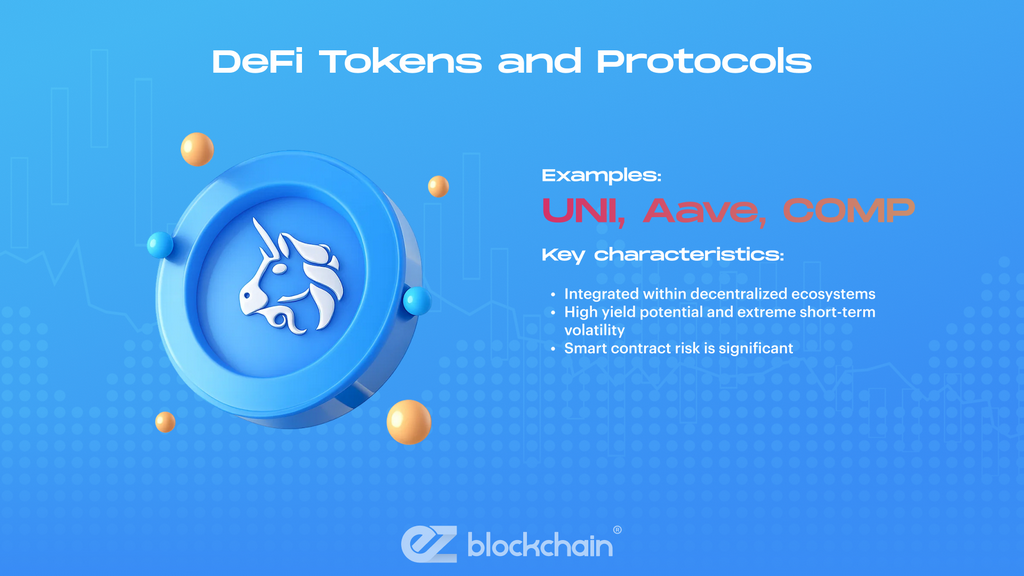
Examples: Uniswap (UNI), Aave (AAVE), Compound (COMP)
Decentralized Finance (DeFi) tokens power protocols that provide financial services without intermediaries. DeFi applications include lending, borrowing, automated market making, and yield farming. Governance tokens allow holders to participate in protocol decision-making, incentivizing network participation and decentralization.
Key characteristics:
DeFi token valuation depends on protocol usage, liquidity pool size, and governance engagement. Investors should evaluate risk-adjusted returns carefully, particularly as DeFi protocols remain susceptible to security vulnerabilities and market manipulation.
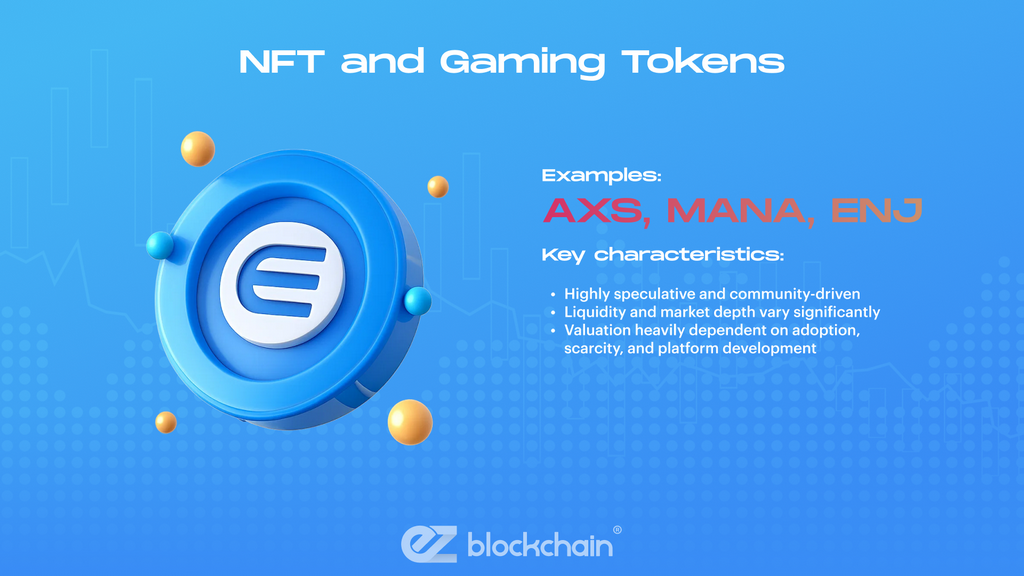
Examples: Axie Infinity (AXS), Decentraland (MANA), Enjin Coin (ENJ)
NFT and gaming tokens represent digital collectibles, in-game assets, or metaverse land parcels. These assets derive value from community engagement, rarity, and adoption within virtual ecosystems. Blockchain-based gaming platforms often incorporate token economies that allow users to earn, trade, and monetize digital assets.
Key Characteristics:
Investors should approach NFT and gaming tokens cautiously, recognizing the potential for rapid appreciation alongside significant downside risk. Strategic allocation may be appropriate for portfolios targeting high-growth exposure.
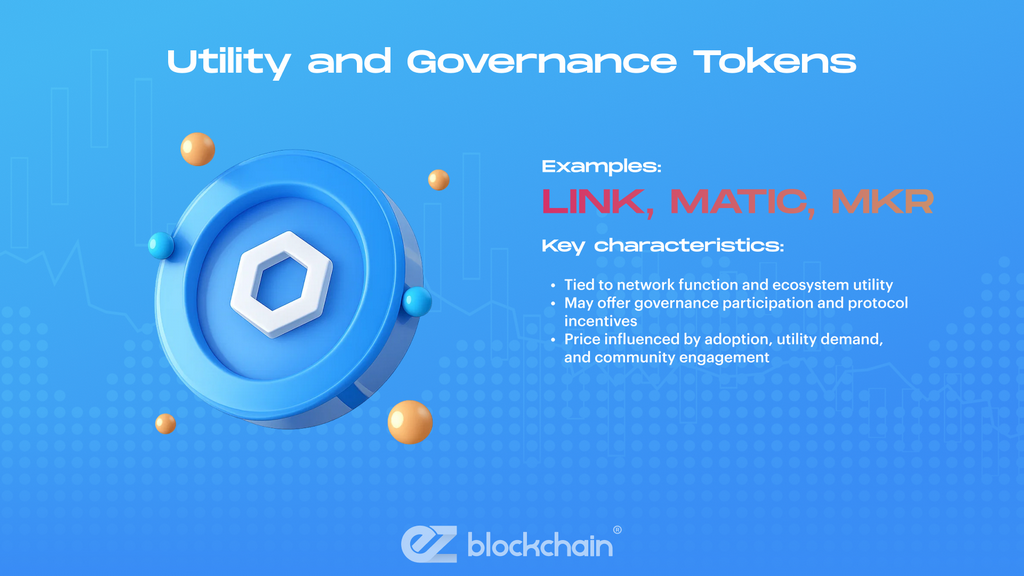
Examples: Chainlink (LINK), Polygon (MATIC), Maker (MKR)
Utility tokens provide access to products or services within a blockchain ecosystem, such as oracle services, transaction processing, or staking rewards. Governance tokens grant holders voting rights over protocol parameters, including fee structures, reward distribution, or strategic upgrades.
Key characteristics:
Utility and governance tokens require careful analysis of tokenomics, use case viability, and long-term ecosystem sustainability. They are particularly relevant for investors seeking exposure to decentralized networks’ operational success rather than speculative value alone.
| Category | Examples | Use Case | Risk Profile | Volatility | Key Considerations |
| Payment Coins | BTC, LTC | Peer-to-peer payments | Moderate | Medium | Adoption, scalability, network fees |
| Smart Contract Platforms | ETH, SOL, ADA | dApps, DeFi, NFTs | High | High | Network upgrades, adoption, technical risk |
| Stablecoins | USDC, USDT | Trading, DeFi collateral | Low | Low | Reserve transparency, regulatory risk |
| Privacy Coins | XMR, ZEC | Anonymity and confidentiality | High | Medium-High | Regulatory scrutiny, liquidity |
| DeFi Tokens | UNI, AAVE, COMP | Decentralized financial services | High | High | Smart contract risk, protocol usage |
| NFT & Gaming Tokens | AXS, MANA, ENJ | Digital collectibles, metaverse | Very High | Very High | Community engagement, liquidity |
| Utility & Governance | LINK, MATIC, MKR | Protocol access and governance | Medium-High | Medium-High | Tokenomics, adoption, ecosystem growth |
This table summarizes key characteristics and risk factors across major cryptocurrency categories, enabling investors to tailor strategies to their risk tolerance and investment horizon.
Understanding cryptocurrency categories allows investors to implement nuanced allocation strategies. For instance:
A diversified portfolio can reduce systemic risk while leveraging high-potential opportunities across various crypto sectors. Investors should continuously evaluate market trends, technological developments, and regulatory changes to recalibrate allocations.
The cryptocurrency landscape is both diverse and dynamic. Categorizing digital assets into payment coins, smart contract platforms, stablecoins, privacy coins, DeFi tokens, NFT/gaming tokens, and utility/governance tokens provides a framework for understanding risk, volatility, and investment potential. Each category carries unique characteristics that influence market behavior, adoption, and long-term sustainability.
Effective crypto investment strategy requires aligning asset allocation with risk tolerance, understanding network fundamentals, monitoring adoption trends, and accounting for regulatory developments. By leveraging this categorical framework, investors can navigate the crypto market with greater insight, diversify risk, and identify opportunities aligned with their financial objectives.
The evolution of blockchain technology and digital assets is ongoing, making continuous research, education, and portfolio reassessment critical. As the crypto ecosystem matures, informed investors who understand the distinctions among cryptocurrency types will be better positioned to capitalize on market opportunities while mitigating inherent risks.
Fill out a form and our bitcoin mining expert will contact you.
FREE CONSULTATIONFill out a form and our bitcoin mining expert will contact you.